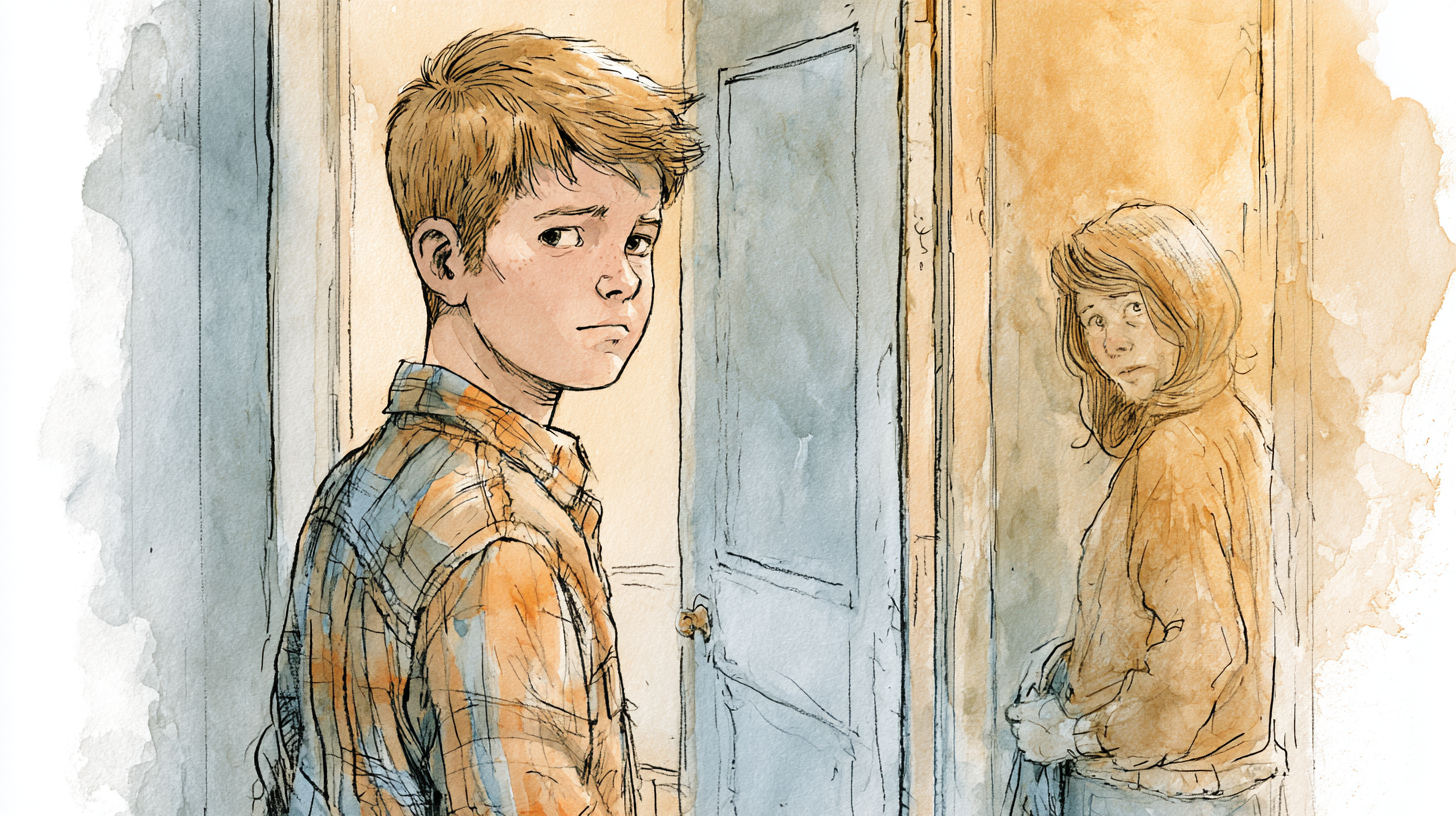
You ask one question. They explode. The dishwasher gets slammed, the door gets slammed, and you're left standing in the kitchen wondering what just happened.
The honest answer almost no one says out loud: the thing they're angry about is rarely the thing they're angry about.
Tired of guessing what set your child off? Log tonight's moment in LightMap.
Anger is the visible part of a much longer story
A teen explosion is the surface of a system that has been under pressure for hours, days, or weeks. School. Friend dynamics. Sleep. Hormones. A confusing text. A teacher's comment. A body that's growing faster than the nervous system can keep up with. By the time you ask about the dishwasher, the system is already full.
The yell isn't the problem. It's the release valve. Which is why responding only to the yell — louder consequence, longer lecture — rarely changes anything.
What's actually happening in their brain
The adolescent brain is in the middle of its biggest rewire since infancy. The emotional system (amygdala) is fully online. The braking system (prefrontal cortex) is still being built. That gap is real, biological, and temporary — but in the meantime, the gap is where the explosions live.
Add hormonal shifts, social pressure, and chronic sleep debt, and a teen can move from regulated to flooded in seconds. From the inside it doesn't feel like a choice. From the outside it looks like disrespect.
Common (invisible) triggers underneath teen anger
- Sleep deprivation — even one short night compounds
- A friendship rupture they haven't told you about
- Social media comparison loops
- Sensory overload (loud classrooms, fluorescent lights, crowded hallways)
- Performance pressure — grades, sports, college talk
- Hunger, low blood sugar, dehydration
- A grown-up's tone earlier in the day they didn't react to in the moment
- Shame they're carrying about something you don't know about yet

There's a story for this exact struggle
The Tower That Looked Fine
A tower in a quiet clearing tries to stay steady through every small thing nobody else seems to notice — until one tiny breath of wind causes her to fall, and a gentle hand begins to gather the blocks back.
Free to read. You'll also get five free articles a week. Unsubscribe anytime.
What tends to actually help
- Don't engage during the storm. "I want to hear this, and I can't do it well right now. Let's come back to it." Then leave. Nothing said in the flare-up is what either of you actually mean.
- Repair after, even briefly. "That was rough earlier. I'm glad we're back." Repair teaches the nervous system that conflict doesn't equal rupture.
- Lower the household tempo. Less scheduling. More food. Earlier nights when you can. The container matters more than the conversation.
- Watch the week, not the moment. The pattern is almost never visible from inside the day.
- Stay warm without being bright. Cheerful performance reads as pressure. Steady, quiet presence reads as safety.
When to bring in support
Anger that's daily, escalating, paired with hopelessness, isolation, substance use, self-harm, or aggression toward others is worth bringing to a therapist or pediatrician. You don't need to wait until you're sure. A few weeks of LightMap data — what came before each flare-up, what time of day, how sleep tracked, who was around — gives a clinician something concrete to start from.
The reframe most parents need to hear
A teen who explodes at you is, almost always, a teen who feels safe enough with you to let the pressure out. That's not nothing. It's not the version of closeness anyone wants — but it's a doorway, not a wall.
Related reading
Frequently asked questions
Why is my teenager so angry all of a sudden?
Sudden anger in a teen usually isn't sudden — it's been building under the surface for days or weeks. The visible flare-up is the moment a nervous system that's been holding too much finally releases. Look at the week before the outburst, not just the moment of it.
Is teen anger normal or a warning sign?
Anger itself is normal and developmentally expected during adolescence — the brain is rewiring, hormones are surging, and identity is forming. It becomes a concern when it's constant, escalating, or paired with hopelessness, isolation, self-harm, or aggression toward others. Trust your gut and loop in a therapist if any of those show up.
What should I NOT do when my teen explodes?
Avoid matching their volume, lecturing in the moment, taking away connection as punishment, or trying to win the argument. None of these reach a flooded nervous system. They almost always make the next blow-up bigger.
How can LightMap help with teen anger?
Logging anger episodes alongside sleep, social events, school stress, and food often surfaces the pattern in 2–3 weeks. Most parents discover the anger isn't random — it clusters around specific environments, people, or stress cycles that were invisible day-to-day.
For education and reflection, not medical advice. Our terms
See what's underneath
Next time, you will know what set it off
LightMap turns scattered hard days into a pattern you can see, and show a doctor. Two minutes of questions tells you where to start.
Find out why it keeps happening

Part of the award-winning Birch & Light Method, honored with the Mom's Choice Gold Award for excellence in family resources.
Before you go, grab the free guide
The 3 body-state triggers under most meltdowns, a script for the 30 seconds before it tips over, and a reset for after. Free.

You'll get the guide instantly, plus five free articles in your inbox every week. Real challenges (meltdowns, school mornings, picky eating, big feelings) and how to actually handle them. Unsubscribe anytime.
A story to read together
Sometimes the easiest way in is a story you read side by side.
- The Tower That Looked Fine
A tower in a quiet clearing tries to stay steady through every small thing nobody else seems to notice — until one tiny breath of wind causes her to fall, and a gentle hand begins to gather the blocks back.
Read the story 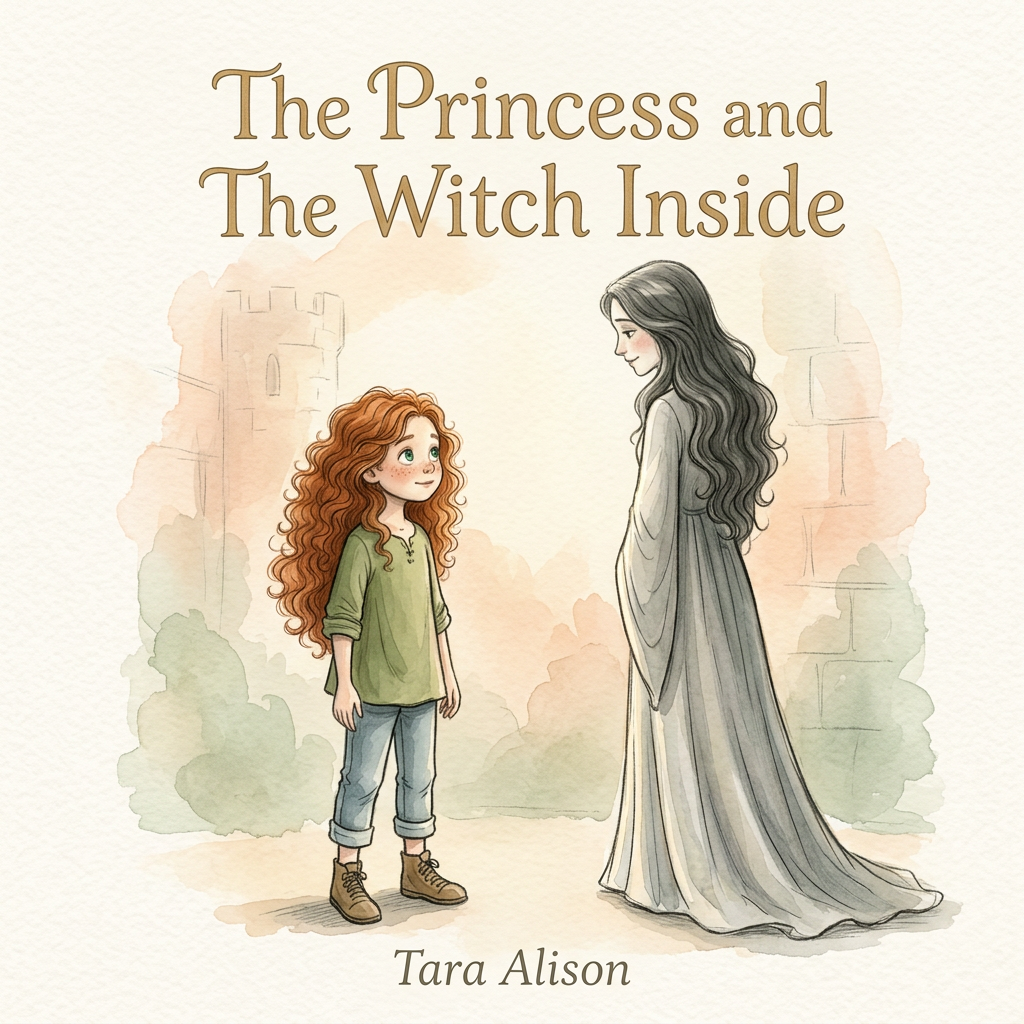 The Princess and the Witch Inside
Esme is loved, but a fast protective part keeps rushing in before she gets a turn. A quiet visitor helps her meet the witch inside — not as an enemy, but as a worried protector — and find her way back to the people she wanted to be with all along.
Read the story
Researched and drafted with AI assistance, reviewed before publication. Editorial standards